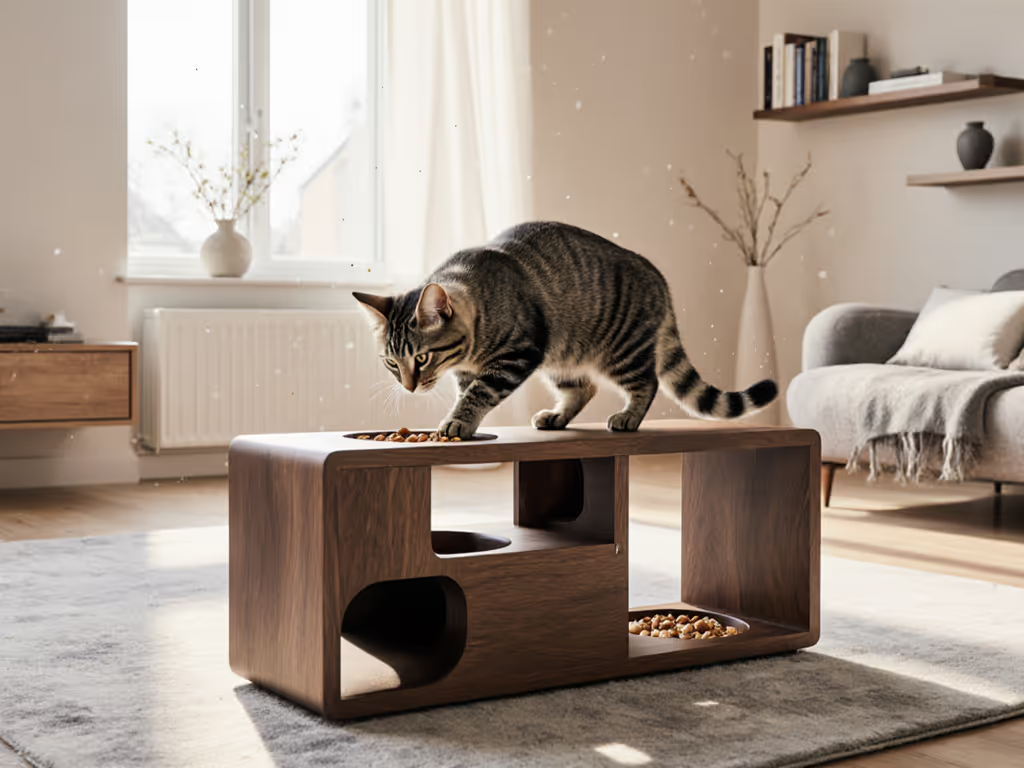
Sturdy Cat Furniture for Weight Management: Safe & Active Designs
By Sofia Petrovic • 11th Dec
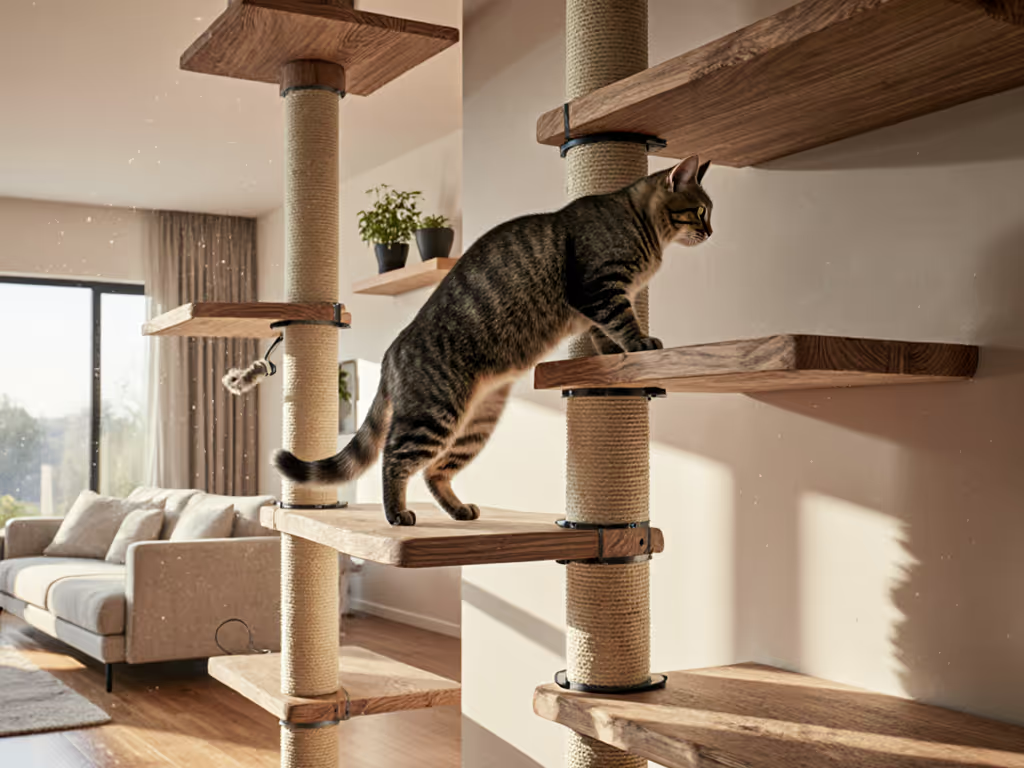
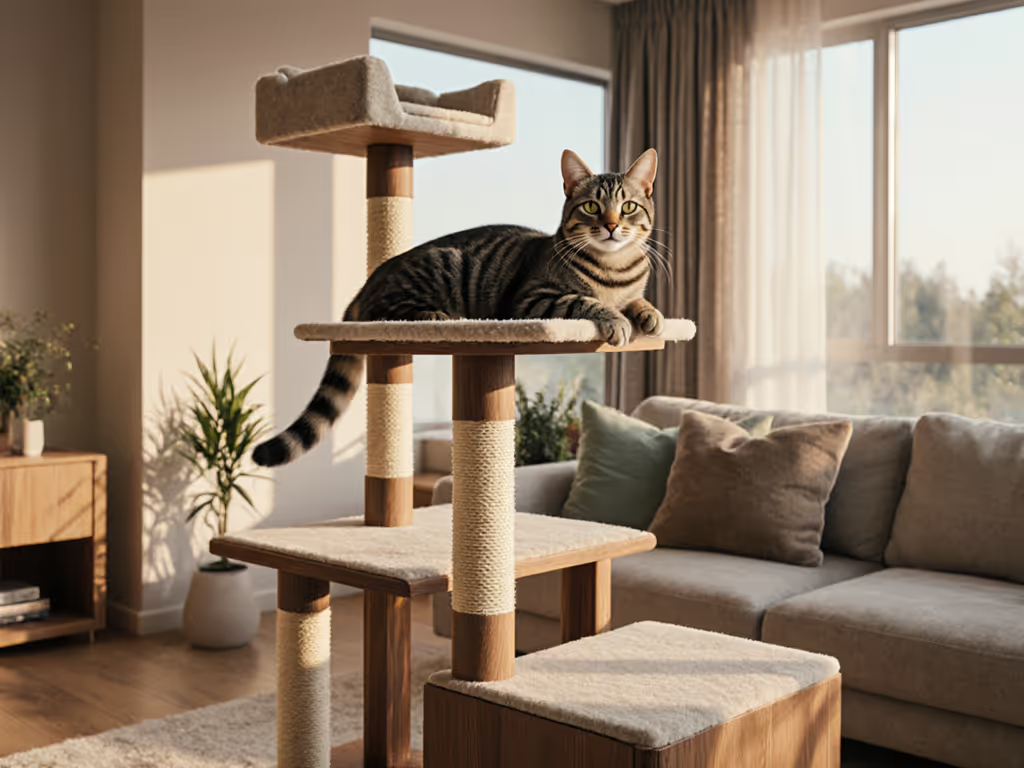
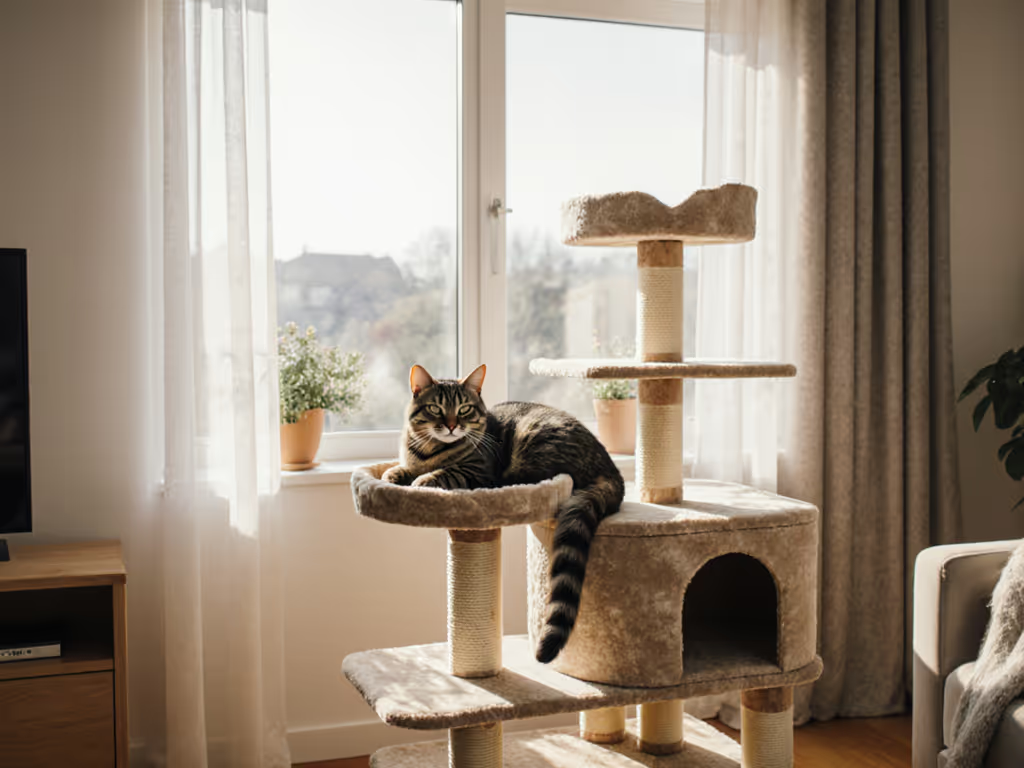
Finding weight management cat furniture that's both sturdy and stimulating isn't just about picking the right cat furniture for fat cats; it's about reimagining your space as a joyful movement ecosystem. When your feline carries extra pounds, every leap, scratch, and climb should feel secure, not stressful. I've seen too many owners choose flimsy, disposable towers that wobble under 15 pounds, leaving cats (and humans) anxious. But what if your cat's furniture could actively support their health journey while elevating your home's aesthetic? Let's turn constraints into opportunities.
The Hidden Crisis in Plain Sight
Most cat owners don't realize obesity is the number one preventable health issue for indoor cats, per Melbourne Cat Vets. Yet we keep furnishing their world with narrow perches and wobbly platforms that discourage movement. Picture this: your 18-pound Ragdoll tentatively stepping onto a standard cat tree, muscles tense, because the platform feels like a tightrope. Obesity-friendly cat spaces aren't about babying them, they're about engineering confidence through stability. Flimsy furniture doesn't just limit activity; it breeds fear. And fear means your cat stays grounded, licking weight off one unburned calorie at a time.
Why "Small Cat Furniture" Fails Heavier Cats
Standard cat trees often skimp on structural integrity, using particleboard bases and narrow posts. For cat furniture for fat cats, these become safety hazards: a 12-pound cat exerts 70% more force on a platform than a 7-pound cat when landing (that's physics, not opinion). I've watched clients' Maine Coons avoid climbing entirely after one wobble-induced tumble. This isn't laziness; it's self-preservation. Without safe heights for heavy cats, they lose access to the vertical territory that triggers their natural hunting instincts (the very behavior that burns calories).
Build Movement into the Blueprint
True weight management cat furniture turns passive lounging into active living. Forget clunky, space-hogging towers. Instead, design modular pathways that make exercise feel like play. Here's how to engineer joy:
Material Intelligence: Strength Without Sacrifice
Budget the years, not the month.
Go beyond "solid wood" claims. For obesity-friendly cat spaces, prioritize FSC-certified maple or beech (denser than pine) with 1.5" thickness for platforms. Why? A 24"x18" maple shelf supports 65+ pounds versus 35 pounds for 3/4" plywood. Pair it with reinforced sisal (twice-wrapped, not glued) that won't shred when heavier cats scratch vigorously (critical for weight loss since 10 minutes of focused scratching burns 50+ calories). My first apartment taught me this: that salvaged maple cat tree used 2"-thick reclaimed boards from a neighbor's demo. Three years later, it still handles my 22-pound rescue's nightly sprints. Sustainability is durability plus joy, not deprivation.
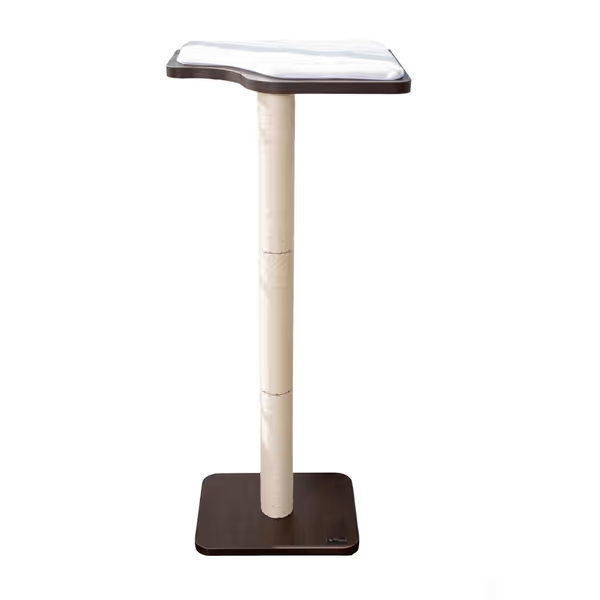
PetFusion Ultimate Cat Window Perch
Modern, safe window perch and scratching post for feline enrichment.
$169.99
Height45 inches
Height45 inches
Pros
Combines window lounging with climbing and scratching.
Modern design enhances home aesthetics, not detracts.
Cons
Height preference varies among cats/owners.
Sisal durability received mixed reviews.
Customers find the cat perch sturdy with its suction cups and appreciate its well-designed appearance. The product is easy to assemble with clear instructions and receives positive feedback for its quality. Customers disagree on the height, with some finding it perfect while others say it's too tall. The durability receives mixed reviews, with some saying it holds up well while others report issues with the sisal breaking quickly.
Customers find the cat perch sturdy with its suction cups and appreciate its well-designed appearance. The product is easy to assemble with clear instructions and receives positive feedback for its quality. Customers disagree on the height, with some finding it perfect while others say it's too tall. The durability receives mixed reviews, with some saying it holds up well while others report issues with the sisal breaking quickly.
Vertical Pathways That Invite Activity
Wall-mounted systems beat floor towers for safe heights for heavy cats. Not sure which route fits your home? See our wall shelves vs cat trees comparison. Why? They eliminate tipping risk while maximizing floor space. Key specs:
- Platform depth: Minimum 14" for larger cats to fully stretch (prevents joint strain)
- Step height: 10-12" between levels (encourages intentional jumps, not risky leaps)
- Base anchoring: Wall studs > drywall anchors (200+ lb capacity per bracket)
Well-designed modular wall shelves can create "cat superhighways" (curved ramps replace straight jumps, reducing impact on joints). For multi-room layouts, build on this with a whole-house cat highway guide. A single 4-foot vertical circuit burns 80 calories. Start small (a single ledge near a sunny window) then expand; modular design means you adapt as your cat gains fitness.
Hidden Calorie Burners: Functional Integration
The smartest weight management cat furniture blends activity into daily routines:
- Scratching zones placed en route to napping spots (forces 5+ extra steps per climb)
- Food puzzle perches (for example, a multi-compartment puzzle board) mounted 6" above floor level (requires stretching to eat)
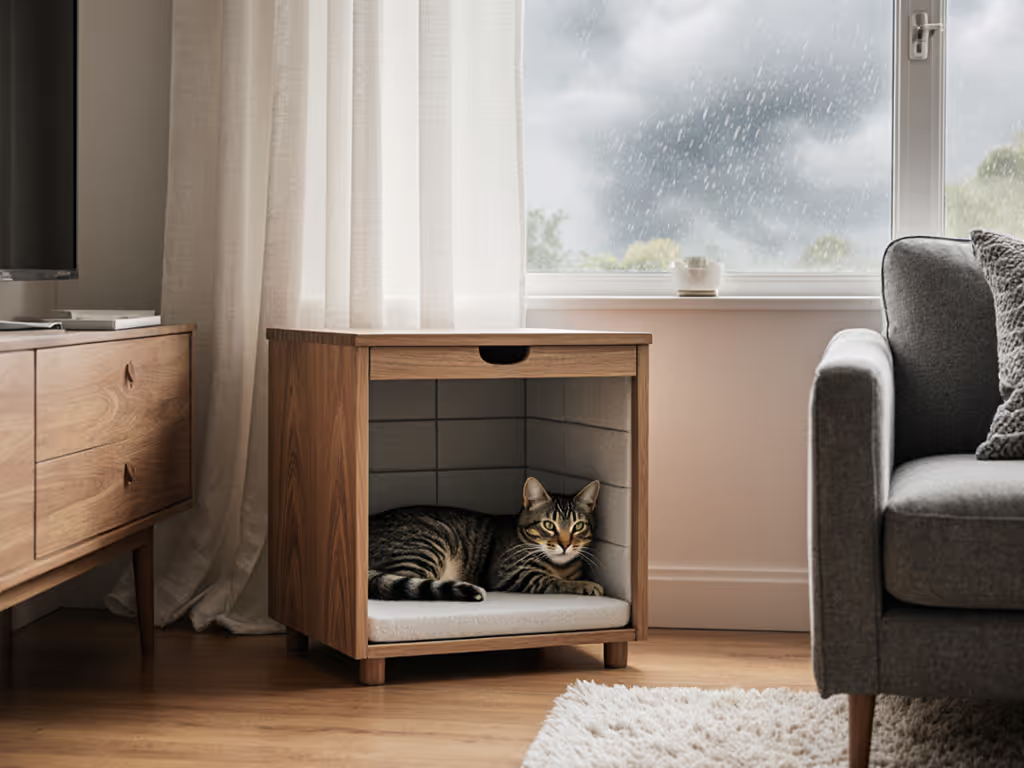
- Litter box concealers with covered ramps (adds 30 seconds of daily low-impact cardio)
This turns passive rest areas into active living zones. When your cat associates platforms with rewards (like the view from a window perch) they'll climb instinctively. No coercion needed.
Your First Steps: Thrifty, Not Cheap
You don't need a $500 custom tower. Build cat furniture for fat cats intelligently using:
- Salvaged hardwood: Check Facebook Marketplace for "demo" wood (saw-cut to size costs ~$5)
- Modular brackets: Repurpose industrial shelving brackets ($8 each) for wall systems
- Sisal savings: Rewrap posts yourself with commercial-grade rope ($12/100ft)
Safety note: Always use eye protection when cutting wood. Never anchor to drywall alone (find studs with a magnet).

Lifecycle Math: The Anti-Disposable Mindset
Let's compare:
| Option | Upfront Cost | Lifespan | True Cost/Yr |
|---|---|---|---|
| Economy tower | $80 | 1.5 years | $53.33 |
| Mod DIY build | $120 | 8+ years | $15.00 |
That DIY build? It's my maple system upgraded with new sisal twice. To keep it running safely for years, use our DIY repair and longevity guide. My cat's weight dropped 14% in 6 months because he chose to climb. When furniture feels safe, they'll use it.
Sustainable Motion, Lasting Joy
Weight management cat furniture succeeds when your cat doesn't even realize they're exercising. It's the thrifty joy of repurposed materials working harder, the pragmatic peace of knowing platforms won't collapse, and the upbeat victory of seeing your cat race up walls they once avoided. I still use those modular maple steps from my first apartment (now supporting a 19-pound cat who's shed 3 pounds through daily vertical adventures). Spend with intention; let materials and modularity do the work.
Your next step isn't shopping. It's observing: Where does your cat linger? What heights do they avoid? Sketch a simple pathway using existing furniture (bookshelves, wall corners, window sills). Add one safe ledge this week. Budget the years, not the month, and watch your cat's confidence (and calorie burn) rise.
Related Articles