Renovation-Proof Cat Spaces: Architectural Integration
By Tariq Al-Khalil • 5th Dec

Most cat guardians dream of architectural cat space integration that feels intentional (not an afterthought). When cat furniture DIY projects become eyesores or safety hazards, it's not your cat's fault. It's a sign the environment isn't speaking their language. True harmony emerges when your home's bones support feline instincts before you add a single scratching post. Let's reframe your space to honor cats as cohabitants, not clutter.
Why Store-Bought Cat Trees Often Fail Your Home (and Cat)
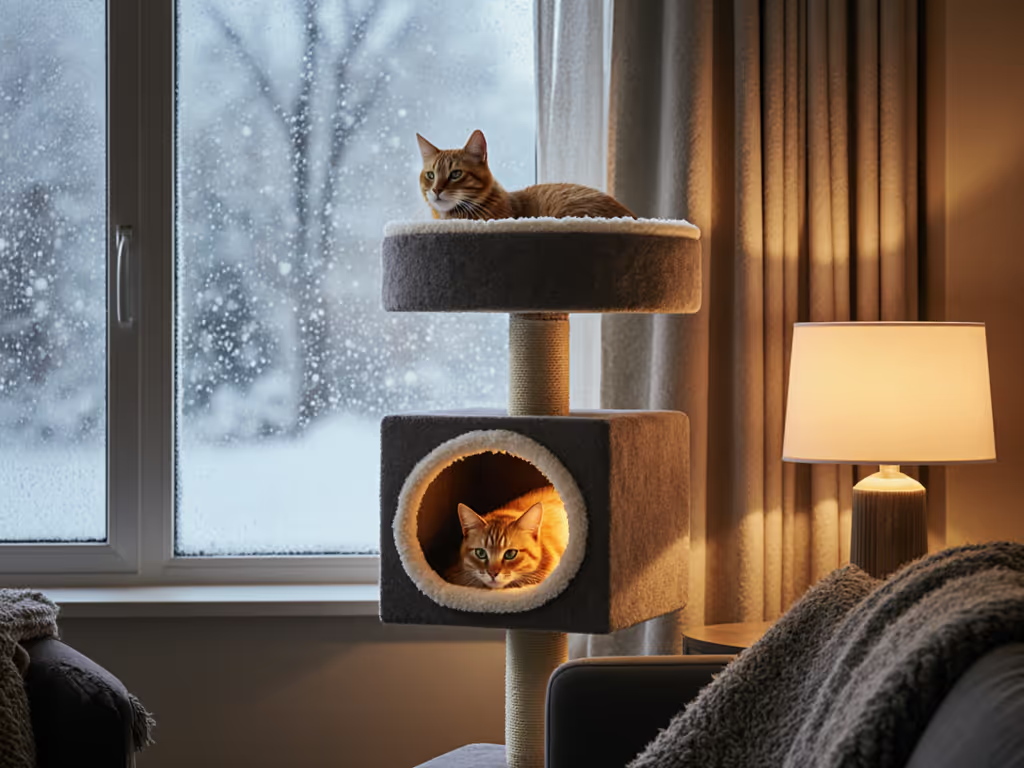
That colorful tower you assembled might look appealing in photos, but if it wobbles when your Ragdoll stretches or hides in a dark corner, it's fighting your cat's instincts. Cats require three non-negotiable elements to feel secure: choice (multiple paths and options), vantage (elevated observation points), and safe retreats (hidden spots where they control visibility). Commercial furniture often misses one (or all) of these. I once worked with a timid shelter cat who refused to leave his carrier for days. Simply adding a vertical pathway with staggered shelves and a cardboard tunnel transformed his world, not by adding more furniture, but by creating meaningful connections between spaces. If you're weighing options, see our wall shelves vs cat trees comparison.
Behavior blossoms when spaces speak your cat's native language.
What Makes Cat Space "Architectural," Not Just "Added On"?
Architectural integration means designing with your cat's instincts baked into your home's layout (not tacked onto it). Forget gimmicks. Focus on these habit-aware principles:
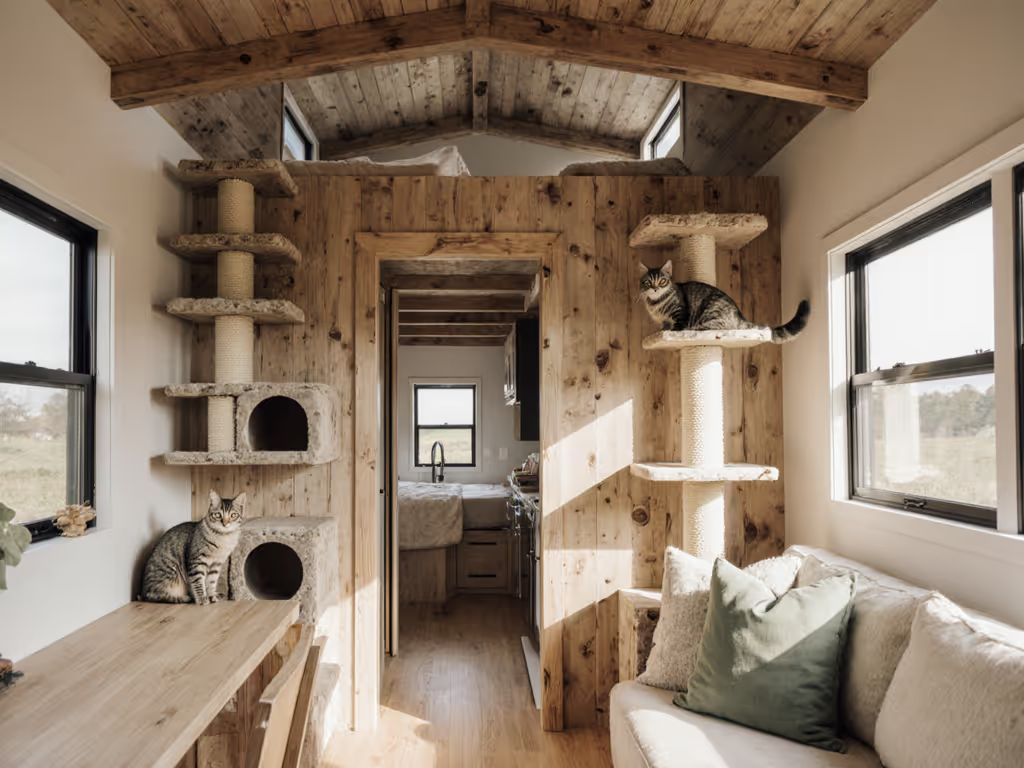
- Verticality as infrastructure: Use wall-mounted shelves (not freestanding trees) that span room-to-room. This creates predictable pathways (like a cat superhighway above human traffic). Place them 18-24 inches apart for effortless jumping.
- Sensory zoning: Designate "active" zones (near windows for bird-watching) and "quiet" zones (behind bookshelves) using subtle height changes. Your Bengal's zoomies shouldn't invade your sleeping area.
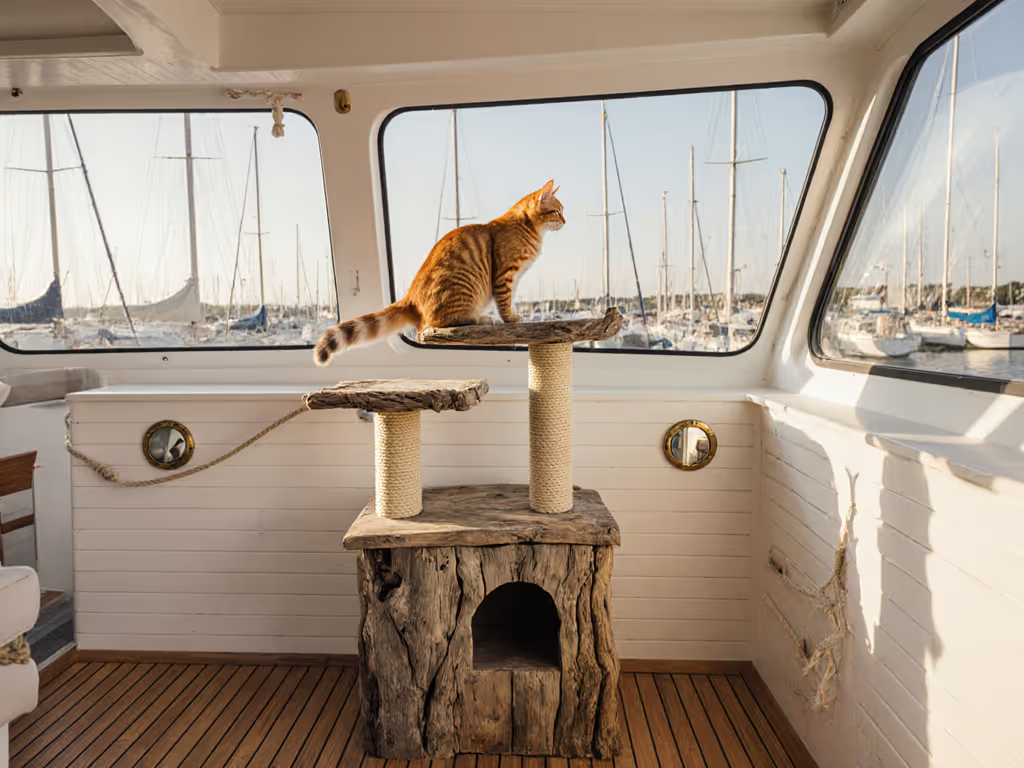
- Scratching as structural: Integrate scratchers into banisters, closet doors, or under-window perches. Sisal-wrapped columns become bookshelf legs. Walls become corrugated cardboard canvases.
This isn't about unique cat furniture; it's about reimagining existing surfaces. The goal? Your cat never wonders where to scratch or observe; the path feels instinctively right.
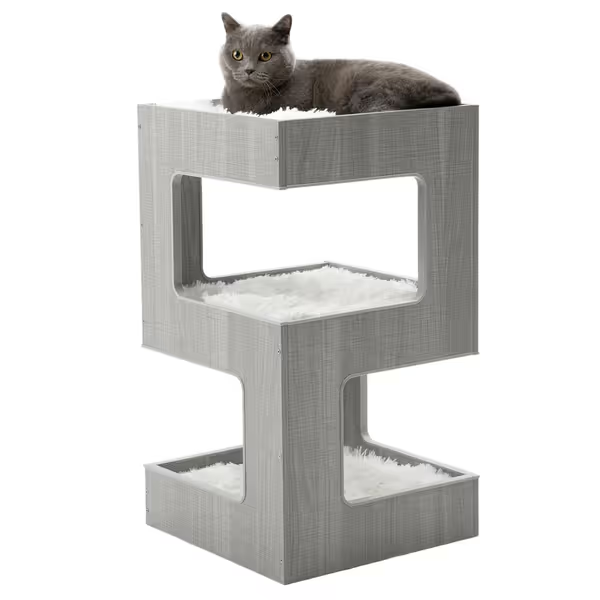
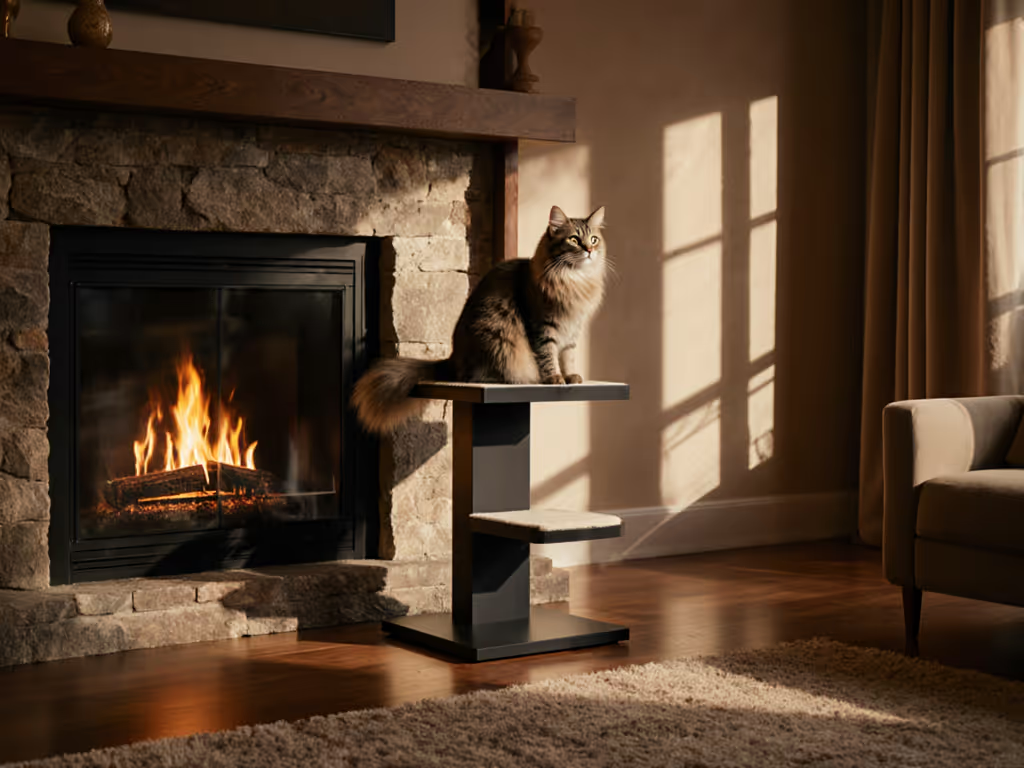
ACH Modern Cat Tree
Stylish, stable, multi-level cat tree for feline enrichment & home aesthetics.
$79.99
4
Dimensions16" x 16" x 27.5"
Dimensions16" x 16" x 27.5"
Pros
Elegant design blends with home decor.
Ultra-stable P2 particle board construction.
Cons
Slightly smaller for very large cat breeds.
Customers find the cat tree stylish and appreciate its multi-level design, with one mentioning it's designed with feline royalty in mind. Additionally, the product is easy to assemble.
Customers find the cat tree stylish and appreciate its multi-level design, with one mentioning it's designed with feline royalty in mind. Additionally, the product is easy to assemble.
Can I Achieve This Without Renovating? (Yes, gently)
Absolutely. Start with structural cat furniture support that works with your walls, not against them:
- Anchor first, decorate later: Install floating shelves into studs (not drywall anchors) using 3-inch lag screws. Load-test with 30+ lbs before your cat uses them. Even renters can use tension rod systems in corners to create temporary walkways.
- Repurpose human furniture: Add a 6-inch-deep cubby under a console table. Place a wall-mounted perch beside (not above) your TV stand (cats avoid heat sources).
- Leverage "negative space": Fill dead airspace above doorframes with L-shaped shelves. Attach cardboard tunnels to baseboards using removable adhesive strips.
The ACH Modern Cat Tree offers modular elements that complement built-in shelves, proving you can blend off-the-shelf pieces with DIY ingenuity. But remember: Meet the need, not the symptom. If your cat scratches the couch, don't add another rug-covered post; integrate sisal at entry points to the room where they feel exposed.
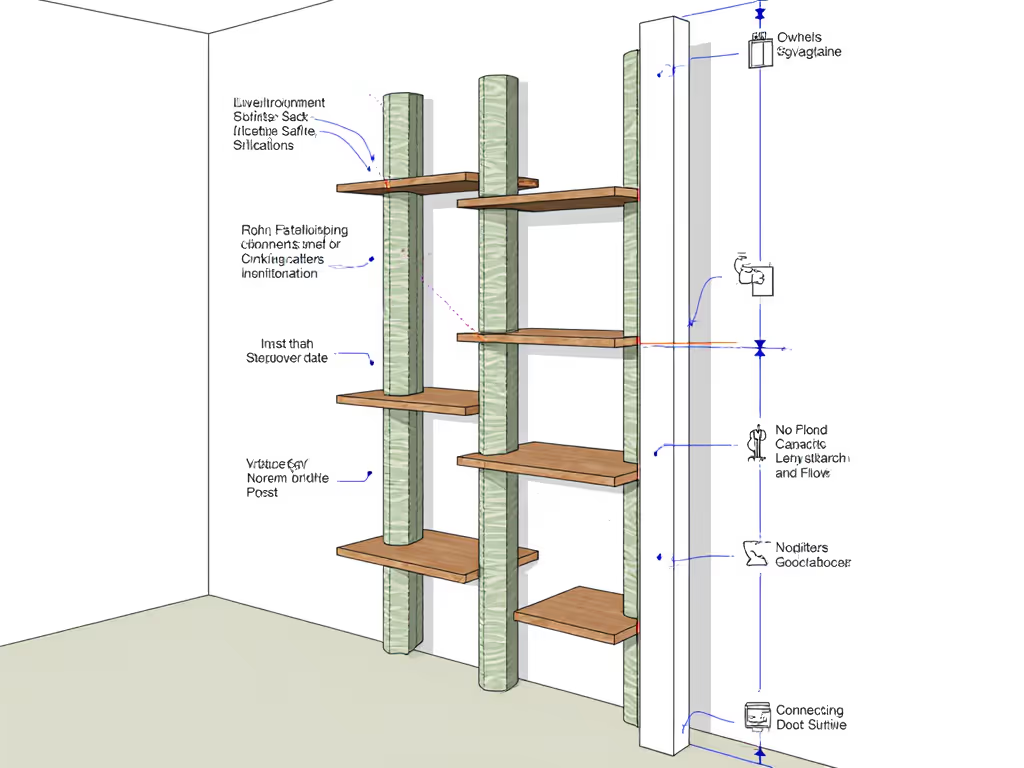
Renovation Cat Space Planning: What to Prioritize
When remodeling, embed feline needs into your blueprint phase:
-
During framing: Cut 7x7-inch "cat portals" between rooms at baseboard height (add magnetic flaps later). Include recessed cubbies in closets during drywall installation. For blueprint-level planning of continuous pathways, explore our whole-house cat highway guide.
-
During flooring: Use low-pile rugs or textured tiles in key pathways, since slippery surfaces undermine confidence. Reserve carpeted zones only for dedicated scratch areas.
-
During cabinetry: Design upper cabinets with pull-down fronts for hidden litter zones. Specify countertop overhangs of 4+ inches to create natural ledges.
A Vancouver bungalow featured in Architizer doubled floor-to-ceiling windows for landscape views, but the real win was built-in window seats with under-seat tunnels leading to outdoor catios. This is home remodel cat considerations at its best: human aesthetics and feline needs as co-authors.
Ensuring Safety in Structural Cat Furniture
Precise engineering prevents accidents. Never compromise here:
- Weight distribution: Each shelf should support 1.5x your cat's weight. For multi-cat homes, calculate 20 lbs per cat + 10 lbs buffer.
- Anchoring depth: Screws must penetrate studs by at least 1.5 inches. Use seismic straps for tall vertical runs. For standards-based testing and anchoring methods, see our cat furniture safety guide.
- Fall prevention: Place shelves within jumping distance (no gaps over 36 inches). Avoid placing landing zones near sharp edges.
A Sydney architect reused reclaimed bricks to build a "brutalist cat flap" tunnel, but anchored every brick with epoxy grout. True structural cat furniture support isn't visible; it's felt through unwavering stability.
Tailoring Spaces for Multi-Cat Dynamics
In homes with multiple cats, architectural cat space integration must address hierarchy and tension. Design with separate but overlapping zones:
- Primary cats get window-facing perches (resource control = security)
- Subordinate cats need concealed routes (under-bed tunnels, false closet backs)
- Neutral zones like hallways should have two escape paths (never dead ends)
During a recent project in Melbourne, I transformed a cramped apartment by installing staggered ledges that created "high road/low road" pathways. The formerly anxious tabby now patrols from above while the senior cat naps undisturbed below (without a single freestanding tower). It's sensory-focused design that respects individual needs. For deeper strategies on multi-cat layouts, read our harmonious territory design guide.
Your Next Step: Observe, Then Integrate
Before buying or building anything, spend 24 hours mapping your cat's actual movements. Note where they pause, stretch, or avoid. The most gentle renovations respond to these subtle cues (not Pinterest trends). Start small: add one wall-mounted ledge where they already jump, or wrap sisal around a loose banister. True harmony happens when your home whispers, "You belong here," without a word said.
Related Articles