Unique Nautical Cat Spaces for Houseboats
By Lena Okafor • 1st Dec
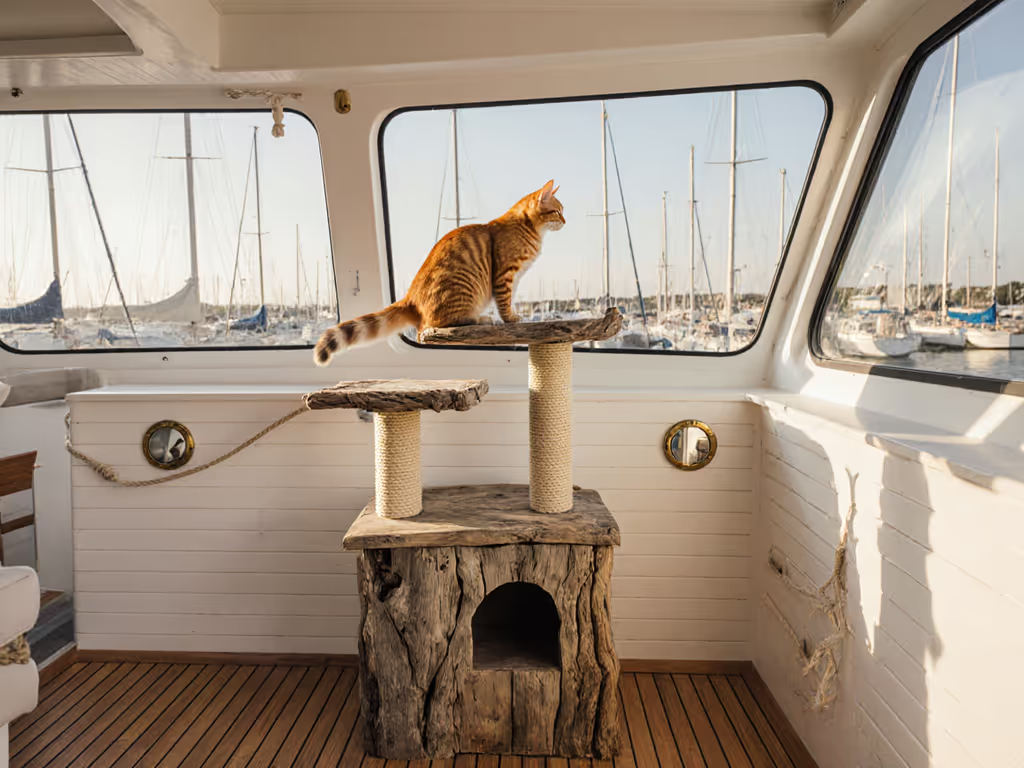
Unique Nautical Cat Spaces for Houseboats: Where Design Meets Instinct
When you blend unique cat furniture with the rhythmic pulse of houseboat living, you unlock a harmony most owners never expect. Modern cat furniture isn't just about scratching posts tucked in corners, it's strategic spatial design that respects both your nautical aesthetic and your cat's primal instincts. Forget cluttered decks and eyesore cat trees. On a vessel where every inch matters, solutions must be measurement-specific, color-aware, and integrated into the very architecture. As a designer who's transformed countless floating homes, I've seen how purpose-built nautical cat spaces solve the silent tension between feline needs and clean-lined interiors. Let the room do some of the work.
1. Anchor Perches to Architectural Assets (Not Free Space)
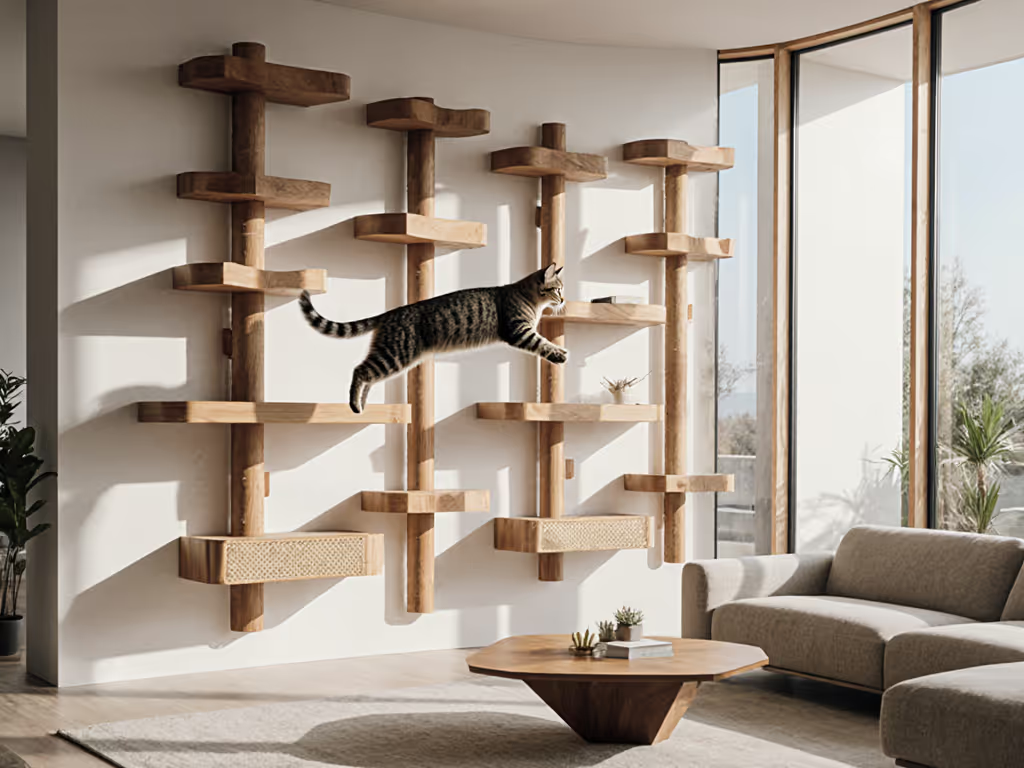
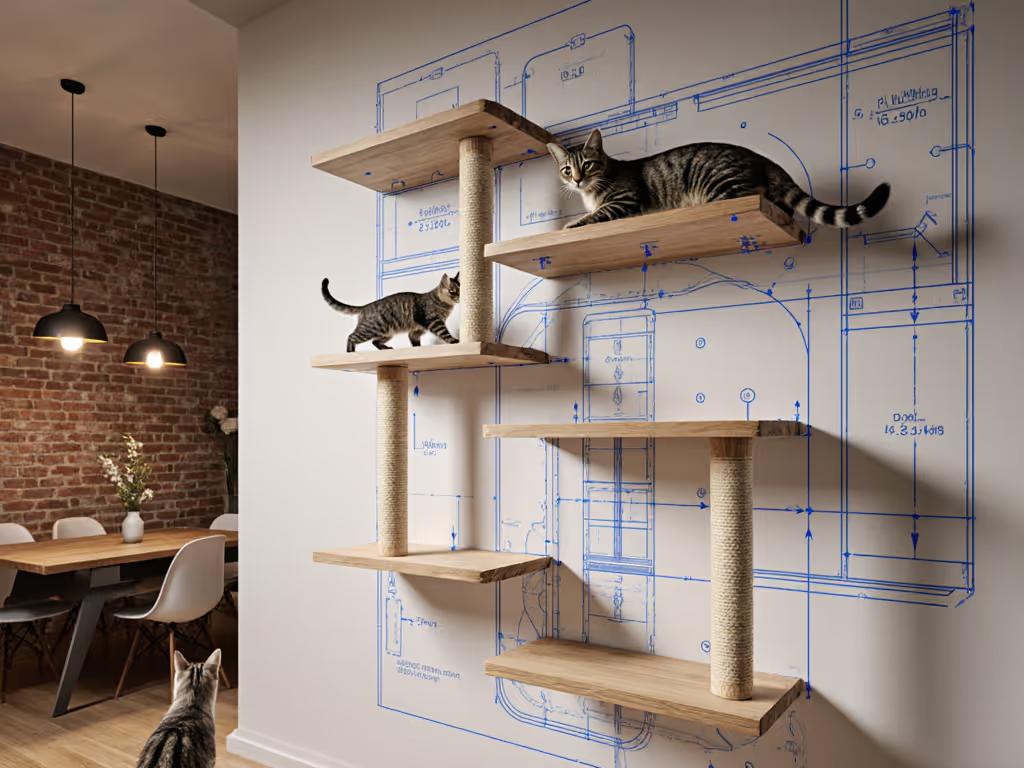
Houseboats thrive on multi-functional elements, and so should your cat's territory. Floating cabins often feature exposed beams, sturdy railings, and companionway ladders already engineered for stability. Instead of bulky floor-based towers, consider wall-mounted cat shelves and build perches directly onto these assets. A 14-inch wide marine-grade plywood shelf (screw-bolted into a bulkhead, not just drywall) at 36 inches high gives cats a sunlit observation deck without claiming floor space. Measure the gap between existing cabinetry and the hull. Many houseboats, like the Catamaran Cruisers 1035 models, have 8 to 10 inch voids perfect for slim, wall-mounted ledges. Position these near the helm or galley where your cat gets social interaction but won't disrupt your workflow. This leverages the boat's inherent flow, eliminating tripping hazards while satisfying your cat's need for vertical security. Remember: cats judge heights by jump feasibility. Keep successive perches no more than 24 inches apart.
2. Marine-Grade Shelves: Durability Meets Discretion
Standard cat shelves warp in humidity and clash with teak-rich interiors, so consider humidity-proof cat shelves designed for hot, marine climates. Opt for marine-grade materials that honor your boat's soul. FSC-certified marine plywood (1.5-inch thick) sealed with non-toxic epoxy combats salt-air moisture while accepting the same stains as your cabinetry. Stain them to match bulkheads or opt for a subtle driftwood gray, avoiding the "pet product" look. I once integrated a three-tiered shelf system into a client's sunroom bulkhead using reclaimed mahogany from their old dinghy oars. The cats claimed it instantly, but guests only noticed "clever storage." For true integration, angle shelves outward at 5 degrees so cats can survey the deck without straining their necks. This small spatial tweak addresses feline ergonomics while keeping sightlines clean.

3. Dual-Purpose Scratching Stations Embedded in Workflow
Form meets instinct: pieces that uplift rooms and enrich routines.
Scratching isn't destruction, it's territorial marking and claw maintenance. On boats with tight quarters, traditional posts become obstacles. Solution: fuse scratching zones into high-traffic areas. Wrap vertical cabin supports or companionway handrails with 100% natural sisal rope (secured with marine-grade polyurethane glue). This turns necessary structures into instinctual outlets. For horizontal scratching, build pull-out trays under settees using textured bamboo slats. Cats dig at grain direction, so orient them parallel to seating. Tip: Place these near hatches where cats monitor deck activity. The motion of the boat stimulates instinctual alertness, making these spots irresistible for claw maintenance. Crucially, marine sisal resists salt corrosion better than standard varieties (a fact confirmed by recent material longevity studies).
4. Hidden Litter Solutions with Nautical Flair
Litter boxes needn't dominate the cabin. For elegant concealment ideas that match upscale interiors, explore our designer litter box cabinets. Convert unused under-berth spaces into ventilated litter nooks using marine plywood partitions. Cut a 9x12 inch entry hole lined with brass edging (corrosion-resistant) and add a hinged cedar lid matching your cabinetry. Place this in a low-traffic zone like a corner behind the galley, but never where fumes or motion might disturb your cat. For odor control, choose recycled paper pellets that compact tightly, reducing slosh in choppy waters. Bonus: A lidded box here doubles as a footrest for seating. This approach answers the clutter pain point while respecting your cat's need for privacy during elimination.
5. Modular Wall Runs for Dynamic Deck Access
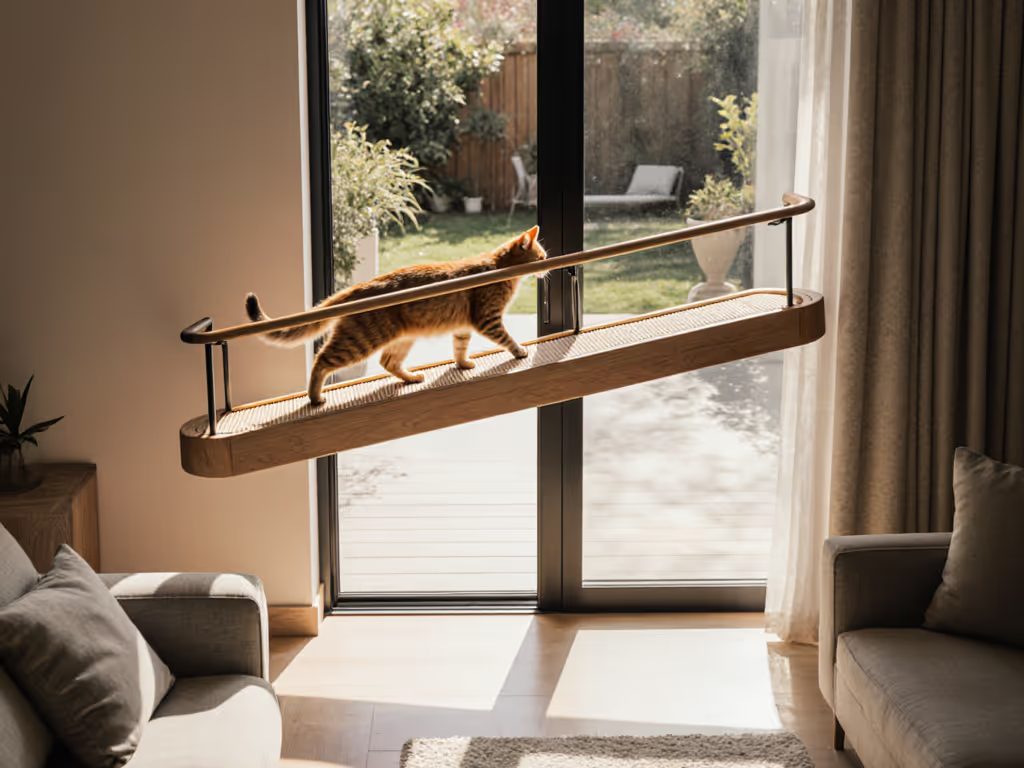
When docked, cats crave outdoor stimulation, but unfettered deck roaming risks overboard slips. Create a controlled catio-style pathway using modular marine-grade components. Install brushed stainless steel wall brackets (rated for 50+ lbs) to secure 12-inch deep walkways along interior bulkheads, leading to a secured porthole perch. At the end, add a removable teak-framed mesh panel that slides into deck rails, allowing supervised fresh-air time. For safe indoor–outdoor transitions in wet or windy conditions, see our catio transition systems guide. This design, inspired by the Shanty Cat's clever cabinetry integration, gives cats outdoor views while you helm the vessel. Measure wind direction when docked; position the perch on the leeward side to minimize spray exposure.
The Verdict: Spaces That Sail Together, Stay Together
Houseboat living demands symbiosis, not sacrifice. Cheap cat furniture fails here, splintering in humidity or clashing with the serene nautical palette. But unique cat furniture designed for motion, moisture, and spatial intelligence transforms pain points into pride points. When your cat's elevated pathway echoes the curve of your companionway ladder, or their sisal-wrapped rail complements the helm, you've achieved the core truth: beautiful rooms and cat needs aren't opposites. They are co-authors.
Prioritize marine-grade materials, architectural integration, and feline ergonomics over standalone pieces. Measure twice, bolt securely, and always let the vessel's existing flow guide your design. The result? A space where your cat's instincts are honored, your aesthetic remains uncompromised, and every nautical cat space feels intentionally yours. That's not just functional, it's the essence of calm, sophisticated living afloat.
Related Articles